Having wandered the ruins of Hiroshima, Tokyo and other Japanese cities after WW II, The Metabolists – four architects, a critic, an industrial designer and a graphic designer – showed with the launch of their manifesto Metabolism 1960 how they would employ biological systems (aided by Japan's massive advances in technology) as i...
Having wandered the ruins of Hiroshima, Tokyo and other Japanese cities after WW II, The Metabolists – four architects, a critic, an industrial designer and a graphic designer – showed with the launch of their manifesto Metabolism 1960 how they would employ biological systems (aided by Japan's massive advances in technology) as inspiration for buildings and cities that could change and adapt to the vicissitudes of modern life. Units could be added or removed from buildings like Kisho Kurokawa’s Capsule Tower in Toky o as required; buildings themselves could be added or removed from cities at will in the cell-like master-plans of Fumihiko Maki .
Project Japan features a series of vivid, empathetic conversations, replete with surprising connections and occasional clashes between Koolhaas and Obrist and their subjects. The story that unfolds is illuminated, contradicted and validated by commentaries from a broad range their forebearers, associates, critics, and progeny, including Toyo Ito and Charles Jencks.
Interspersed with the interviews and commentary are hundreds of never-before-seen images : master-plans from Manchuria to Tokyo, intimate snapshots of the Metabolists at work and play, architectural models, magazine excerpts and astonishing sci-fi urban visions. Presented in a clear chronology from the tabula rasa of a colonized Manchuria in the 1930s; a devastated Japan after the war; to the establishment of Metabolism at the 1960 World Design Conference; to the rise of Kisho Kurokawa as the first celebrity architect; to the apotheosis of the movement at Expo '70 in Osaka.
Koolhaas and Obrist unearth a history that casts new light on the key issues that both enervate and motivate architecture today: celebrity and seriousness, sustainability and monumentality, globalization, government participation (and abdication), and the necessity for architecture to reach beyond its traditional boundaries in order to embrace the future.
At a moment when the connection between architects and their "own" culture has dwindled to insignificance, and the market has dissolved any connective tissue between colleagues, it seemed urgent to listen to the survivors of a group of architects who saw their country and its transformation as a project, who changed their fatherland with new tools recognizably derived from its tradition, who worked together in a strategic alliance to achieve greater prominence and credibility, in a sustained intellectual effort that mobilized a vast range of other disciplines. (查看原文)
The Master of Bigness “大”之大师 by Martin Filler 1. With his prodigious gift for invention, shrewd understanding of communication techniques, and contagiously optimistic conviction that modern architecture and urban design still possess enormous untap...
(展开)
者: Rem Koolhaas, Hans Ulrich Obrist 副标题: An Oral History Of Metabolism isbn: 3836525089 书名: Project Japan... by Rem Koolhaas and Hans Ulrich Obrist 页数: 684 定价: USD 59.99 出版社: Taschen 装帧: Hardcover 出版年: 2011-03-01 库哈斯的有一经典之作 图...
(展开)


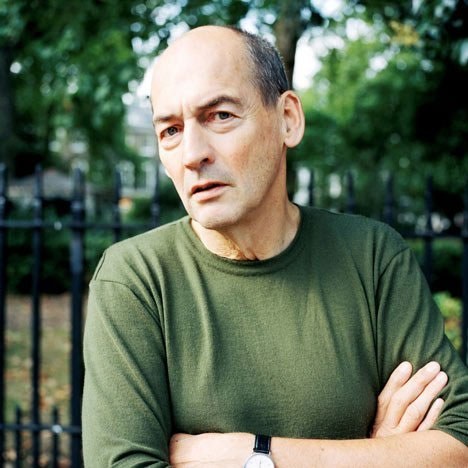 雷姆·库哈斯 作者



 景页再也不会


1 有用 PikaTina 2017-12-08 03:35:42
在和GSD的朋友交流过之后确信,这些都是集体智慧的成果, credit却最多的被男神吸收了。聪明。
2 有用 Strange 2018-01-05 04:30:21
记不住人名 妈蛋
1 有用 木又 2020-04-12 17:14:40
这本书是Rem Koolhaas对50年前日本的先锋建筑流派新陈代谢派一次全景式的回顾和深入的挖掘。如果要研究日本建筑矶崎新这一派的建筑理论背景,那么这本书是很棒的Reference。这应该也是为什么相比以矶崎新为代表的新陈代谢派,建筑性更强的筱原一男和徒弟坂本一成却未受广泛关注的原因吧,毕竟有大V Koolhaas来带货,把新陈代谢派介绍给了世界。(当然更重要的原因还是因为新陈代谢派更适合新自由... 这本书是Rem Koolhaas对50年前日本的先锋建筑流派新陈代谢派一次全景式的回顾和深入的挖掘。如果要研究日本建筑矶崎新这一派的建筑理论背景,那么这本书是很棒的Reference。这应该也是为什么相比以矶崎新为代表的新陈代谢派,建筑性更强的筱原一男和徒弟坂本一成却未受广泛关注的原因吧,毕竟有大V Koolhaas来带货,把新陈代谢派介绍给了世界。(当然更重要的原因还是因为新陈代谢派更适合新自由主义时代的市场和社会,尤其是媒体宣传的需要) 一开始Rem Koolhaas就对新陈代谢派定了性,这不是一次基于日本本土文化的运动,而是一次与市场的合谋。 (展开)
16 有用 亘亘LOOK 2014-10-28 13:01:56
安腾书屋是用生命在做盗版,翻译没有想象中的烂,且认认真真排了版。看完中国特色版双语盗版,打算买本正版支持一下,此书值得收藏并一读再读。
7 有用 离净语 2014-01-18 01:31:20
作为资料书来看不错……排版不错……想揉进去的东西太多了,根本不止新陈代谢。不如改名叫《丹下和他的弟子们》好了。库哈斯对媒体的关注未减,更全书内容更加可以验证一句话叫做时势造英雄,我们读着这些国家蓬勃发展时的信心膨胀的光荣,到底有多少实际的借鉴意义呢。中国即使再照着日本的脚步发展,那个科技进步全民乐观的时代也已经一去不回了。当然,更加关注实际的、技艺的、人文的,其实应该是一件好事。从这个角度来看,藤... 作为资料书来看不错……排版不错……想揉进去的东西太多了,根本不止新陈代谢。不如改名叫《丹下和他的弟子们》好了。库哈斯对媒体的关注未减,更全书内容更加可以验证一句话叫做时势造英雄,我们读着这些国家蓬勃发展时的信心膨胀的光荣,到底有多少实际的借鉴意义呢。中国即使再照着日本的脚步发展,那个科技进步全民乐观的时代也已经一去不回了。当然,更加关注实际的、技艺的、人文的,其实应该是一件好事。从这个角度来看,藤本真的算是今天东大系硕果仅存的一个空想家了。先锋会招致先锋的非议。而理论家们的口味筛选出来的历史,是只保留一个美丽的标本的。 (展开)